How long does it take to electrify a fleet? The answer depends on various factors, but it shouldn't take nine years – unless the fleet in question belongs to a quasi-governmental authority and the transition takes place against a backdrop of unprecedented political unrest.
Postal delivery vehicles are a typical use case for electric vehicles – short, clearly defined routes that return to a central depot each day. And contrary to what some nihilists would like to believe, national postal services are still very relevant – personal letters and handwritten thank you notes may (unfortunately) be passé, but home delivery of goods is more popular than ever.
Postal fleets in Norway, Germany, Switzerland, Austria and other countries are well on their way to full electrification. Now, after over a decade of debates, lawsuits, a corporate bankruptcy, allegations of corruption, a congressional investigation or two, political flip-flops, and public taunts (only figurative as far as we know), the United States Postal Service (an independent, constitutionally authorized agency of the federal government) is finally beginning to replace its 30-plus-year-old delivery trucks with newly designed electric vehicles.
I've been writing about this vexing topic since 2016, so I'll only cover the latest developments here. However, please follow our detailed account of the long saga. A good explanation of the current situation can also be found in “Car and Driver”, written by John Voelcker, who actually drove one of the next generation delivery vehicles.
By 2016 (after years of debate and hesitation), the USPS had decided to replace its Grumman delivery vehicles, some of which were already 30 years old and lacked air conditioning and modern safety features. Even then it was clear that replacing them with electric vehicles was the most economical decision, but political considerations required that at least some of the new vehicles run on fossil fuels. The relationship of electric vehicles to traditional powertrains became the main point of contention.
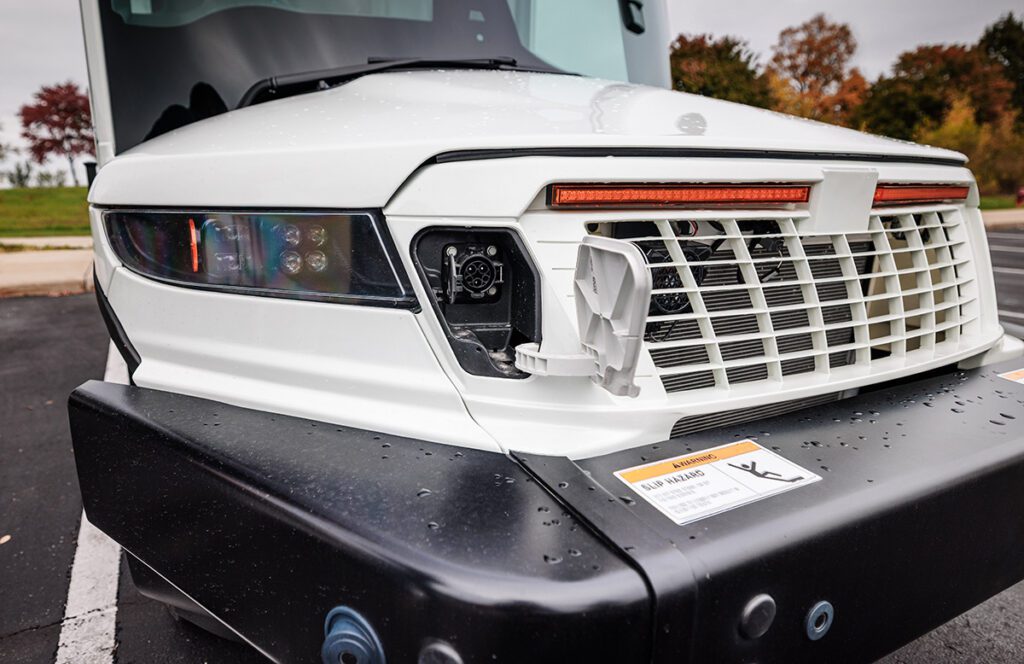
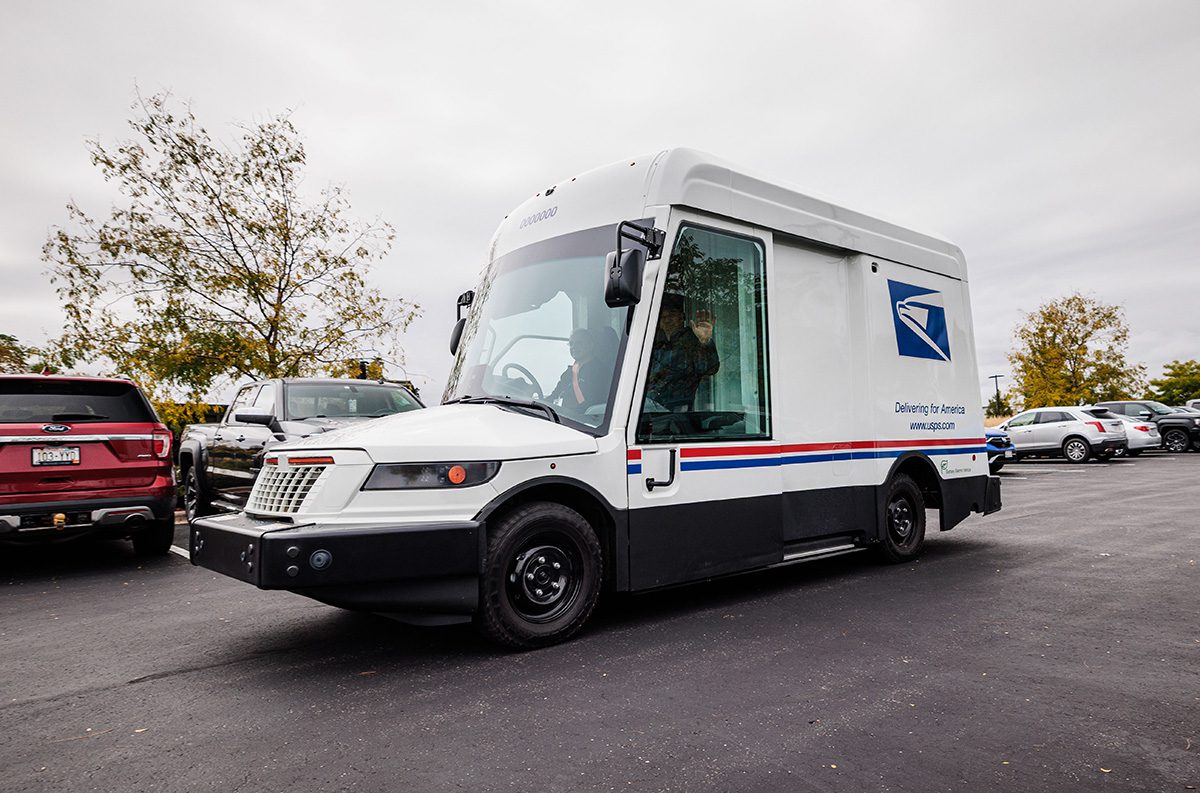
Contractor Oshkosh builds the NGDV in a battery-electric version and a gas version (with a turbocharged 2.0-liter four-cylinder from Ford). In addition to using the purpose-built NGDVs, the Postal Service is purchasing thousands of off-the-shelf electric vehicles. Reuters reports that the agency has purchased 8,700 Ford E-Transits and that at least 2,010 of them are now in use, along with 612 electric NGDVs. USPS says more electric vehicles are entering service every week. USPS also launched 6,650 charging ports at 75 locations.
As it currently stands, the USPS' initial $2.98 billion order will be 70 percent electric vehicles and 30 percent fossil fuel-based, and will operate on longer and colder routes that may prove more challenging for electric vehicles (as is standard practice in mixed fleet deployments).
In June, Senate Republicans made a final attempt to stop electrification altogether – they wanted USPS to scrap the thousands of electric vehicles and chargers already in use. The agency noted that this would result in a loss of at least $1.5 billion and it appears that cooler heads have prevailed. Currently.
Sources: Car and Driver, Reuters