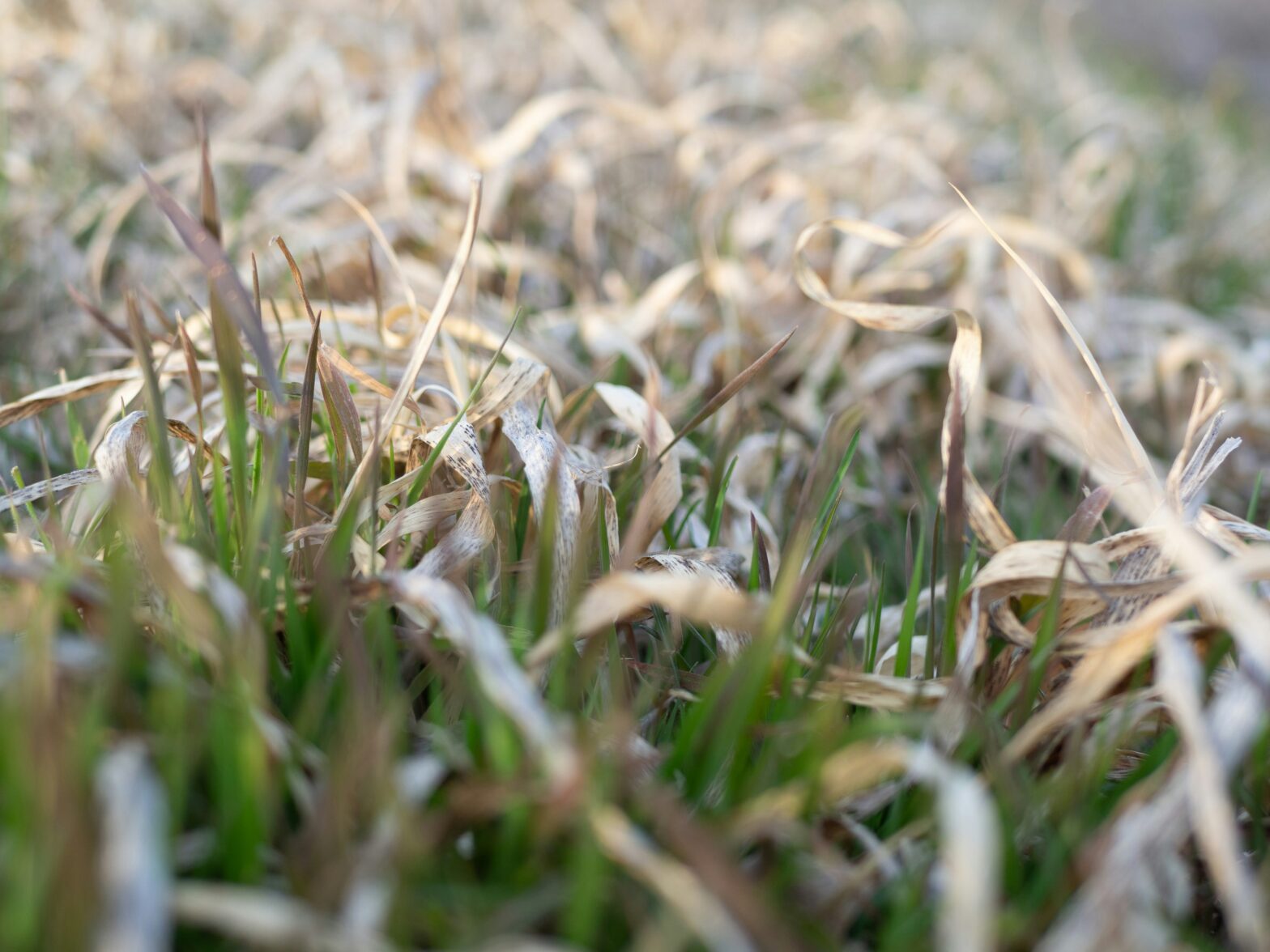
Keeping your trees and shrubs healthy, even in harsh winter conditions, is one of the most important aspects of maintaining a beautiful, safe, and thriving landscape year-round. When temperatures drop, plants face challenges such as frost damage, desiccation, soil freezing, heavy snowfall and fluctuating temperatures. With the right approach to winter tree care, winter shrub protection, and general cold weather plant care, homeowners can dramatically reduce seasonal stress on their plants and protect their landscape investment.
Below is a complete guide to help you protect your garden during the colder months using practical seasonal landscaping tips, expert advice and preventative maintenance strategies.
1. Understand winter stress on trees and shrubs
Plants suffer from winter stress for several reasons. Frost, freezing winds, and ice buildup can cause cracking in the bark, broken limbs, and dehydration. Evergreen shrubs lose moisture through their leaves even in cold weather, so it is important to protect the plants from frost. When the ground freezes, plant roots have a difficult time absorbing enough water, causing additional stress.
Ignoring landscaping problems during harsh winter weather often results in permanent damage – something that can be prevented with proper preparation.
2. Tree care in winter: How to strengthen your trees before and during winter
Effective winter tree care begins with assessing your landscape in late fall. Look for weak branches, compacted soil or signs of disease that could worsen in cold weather.
Important tips for tree care in winter:
Winter Pruning Tips: Remove weak, dead or crossing branches. Pruning during dormancy prevents the spread of disease and promotes healthy spring growth.
Proper watering before freezing helps keep trees hydrated.
For young trees or trees with thin bark, use breathable cloths to prevent sunburn and frost cracking.
Protect the root zone in winter with mulching, which insulates the soil and regulates temperature.
These steps will help reduce vulnerabilities and ensure your trees remain strong even during severe storms.
3. Shrub protection in winter: Protect sensitive shrubs from frost and ice
Shrubs are often closer to the ground, where frost accumulates and snow piles up. That's why protecting shrubs in winter is essential to prevent leaf burns, broken branches and root damage.
Ways to protect shrubs in winter:
Apply 3 to 4 inches of mulch around the base to insulate the soil for the plants.
Cover sensitive shrubs with burlap to prevent windburn and ice damage.
Avoid piling heavy snow directly onto shrubs; Instead, gently brush it off.
Protect shrubs near outdoor lights by ensuring landscape lighting safety and avoiding heat exposure or electrical hazards.
These measures reduce stress and keep the bushes healthy until spring.
4. Prevent winter plant damage with proper garden preparation
Winter plant health depends heavily on what you do before severe weather hits. Homeowners should focus on yard cleanup and general tree and shrub care before winter to minimize risks.
Checklist to avoid winter plant damage:
Remove fallen leaves, debris and diseased branches.
Provide good drainage to avoid ice forming around the roots.
Carry out garden maintenance work in winter, e.g. B. clearing sidewalks and preventing piles of snow from damaging plant beds.
Reinforce young plants with stakes to prevent them from tipping over during storms.
Good preparation goes a long way toward preventing costly winter damage.
5. Snow and Ice Safety Tips for Homeowners
While protecting your landscape is important, your safety comes first. Winter storms pose a threat to your garden and your family.
Snow and Ice Safety Tips:
Never shake the branches too hard to remove the ice – this can cause cracks.
Use pet-safe, plant-friendly ice melter to avoid soil contamination.
Clear paths around your garden to prevent slipping.
Be careful around heavy branches weighed down by ice.
Maintaining awareness will protect you and your plants during winter storms.
6. The role of mulching and soil insulation in winter plant health
Mulching doesn't just improve curb appeal – it's one of the most effective ways to protect your lawn and garden during the winter.
Benefits of winter mulching:
Prevents the ground from freezing too quickly.
Keeps roots at a stable temperature.
Reduces moisture loss.
Acts as a barrier against strong winds.
Applying mulch in late fall can greatly improve the long-term resilience of plants.
7. Why professional plant care is important in winter
While homeowners can handle many tasks themselves, certain aspects of professional winter plant care ensure long-term plant health and property security – especially during severe weather events.
Hiring experts for winter landscaping services ensures:
Proper pruning and trimming.
Safely remove snow-covered branches.
Professional plant health assessment.
Tailor-made winter service plans for private households.
Experienced landscapers offer expert landscaping advice to help you protect your investment.
8. Seasonal landscaping tips to keep your garden healthy all year round
Winter is just a season, but what you do now will affect how much your plants grow again in the spring. Consistent care ensures healthy growth and long-term landscape beauty.
Top tips for the season:
Check for pests or diseases even during the cold months.
Keep the mulch fresh and evenly distributed.
Monitor plants for bending or cracking after storms.
Refresh soil nutrients in late winter for spring recovery.
Proactive care leads to healthier plants and a more vibrant garden.
Conclusion: Protect your winter landscape with intelligent preparation
Keeping your trees and shrubs healthy even in harsh winter weather requires preparation, protection and proper care. With the right combination of winter tree care, winter shrub protection, and preventative measures like soil insulation for plants and mulching for winter, you can dramatically reduce seasonal damage.
Whether you choose DIY methods or rely on professional winter plant care, these steps will ensure your landscape stays safe, vibrant, and ready for spring. Protect your investment with smart planning and the right winter landscaping services and enjoy a healthier outdoor space year-round.