Important points
-
renovation, restoration; Upcycle invents new ideas and is often easier for DIY enthusiasts.
-
Focus on solid wood or sentimental pieces; Start small if you're short on time or budget.
-
Avoid chipboard, damaged laminate and difficult upholstery.
Before you bring home that dresser or desk from the thrift store, take a minute to figure out if the piece is really worth remodeling.
Here, experienced do-it-yourselfers talk about the pros and cons of refinishing and upcycling furniture, and provide insight into time, budget and materials to help you decide whether it makes sense to invest more in a used piece of furniture.
Meet the expert
When upcycling or refurbishing furniture is worthwhile
Galina Zhigalova/Getty Images
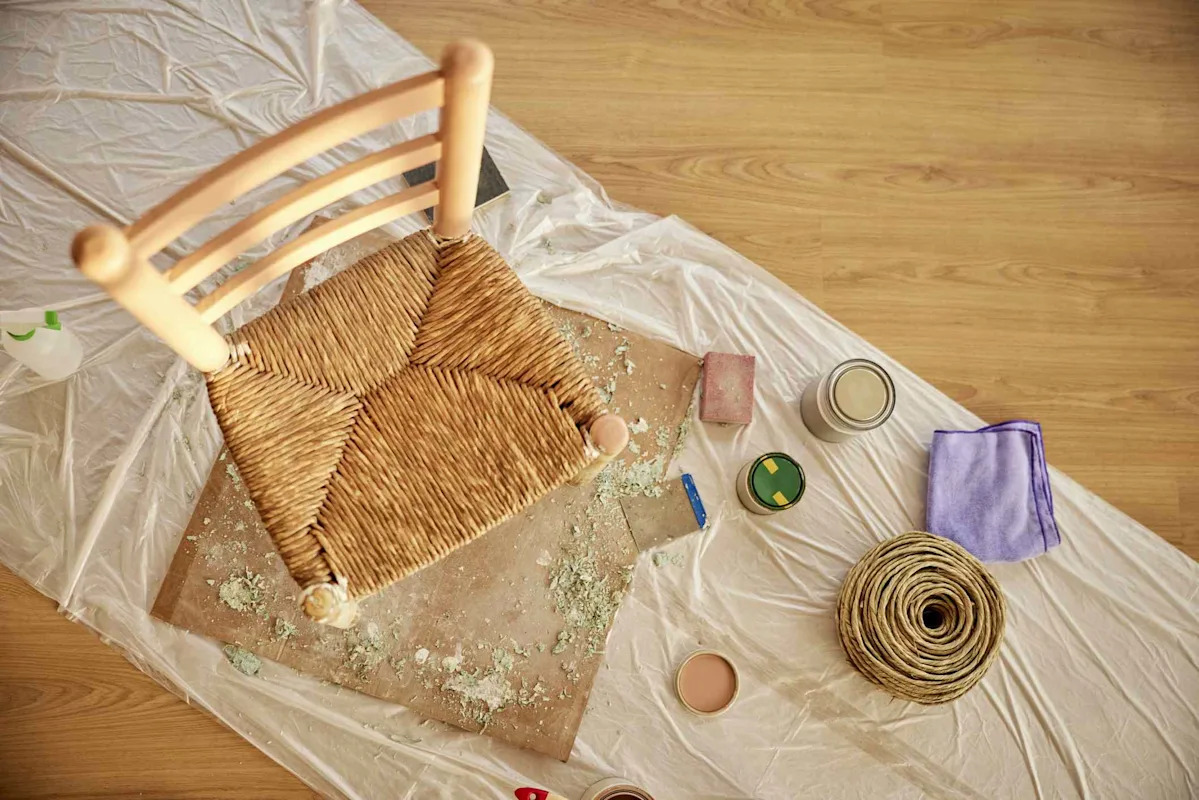
Before we delve into the benefits of upcycling and refinishing furniture, it is important to note the difference between these two terms. According to Camila Pavone, an interior designer and DIYer, the goal of refurbishing a piece is to bring it back to life the way it looked when it was first made.
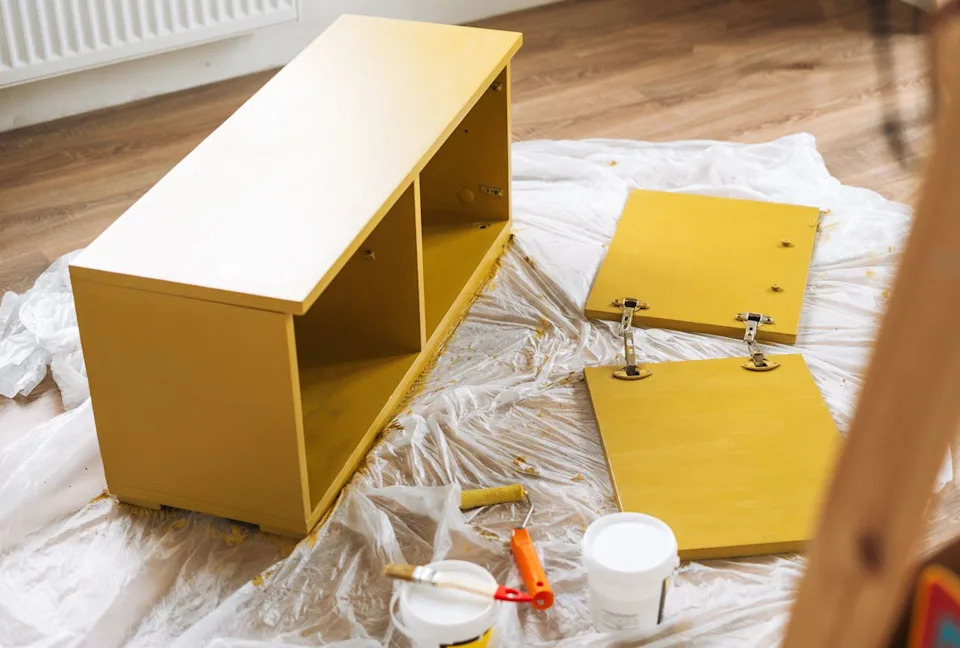
On the other hand, upcycling allows flexibility. Josie Davis, content creator and DIY blogger, points out that upcycling is about reinventing a piece in a new way – using paint or by completely reconstructing the piece.
So is upcycling or refurbishing furniture a worthwhile project?
“It depends on the piece and your budget,” says Pavone. “If you have a genuine antique piece or something that has a lot of sentimental value to you, and you have the budget, then I always think refinishing the piece is the way to go.”
Of course, refurbishing or upcycling each item won't cost a ton, but the process will take time. After taking on many challenging projects in the past, Davis has come to the conclusion that she will only invest time and money into transforming a piece of furniture if she can see herself keeping it for a long time – somewhere between a few years and the rest of her life, she explains.
Despite these caveats, there are definitely some easy projects you can tackle without breaking the bank or slaving away for hours.
Want more design inspiration? Sign up for our free daily newsletter to get the latest decorating ideas, designer tips, and more!
The One Materials professionals always upcycle
Davis shares that a solid wood piece is always a good investment. So when you discover a piece of wooden furniture that you like, start renovating or upcycling it.
Are you wondering whether a piece of furniture is actually made of real wood? Jessi Harris, the owner of Cypress House Restoration and Design, has a trick that never fails.
“It can be helpful to look at the top and sides from the back of the dresser,” she says. “If the raw side of the material looks fairly smooth and natural, it is most likely solid wood.”
If it looks like the backing is made up of several smaller pieces glued together, it's probably a composite or particle board item, she explains.
If you waste your money
Guido Mieth/Getty Images
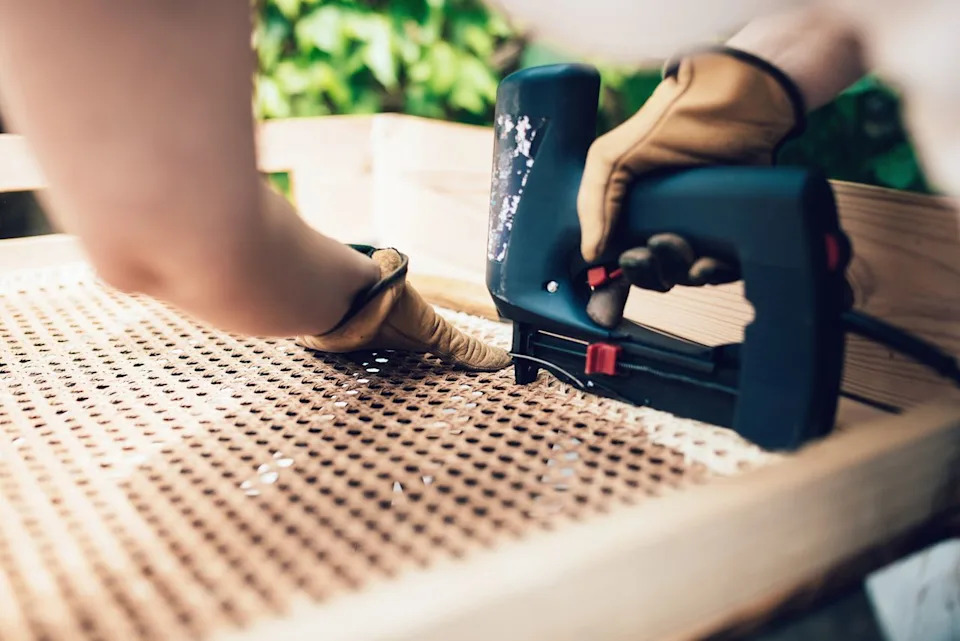
It's important to note that refinishing and upcycling furniture can be time-consuming, and if your current lifestyle doesn't allow for much time for DIY, you may find yourself spending money on more pieces than you could realistically ever repurpose.
Pavone explains that when she was newly married and childless, she and her husband were able to tackle many different upcycling projects, but these days she has a shed full of pieces of furniture that she bought to restore but hasn't touched yet.
“They've been in there for years and I have no idea when I'll actually get to them,” she says. Even if these pieces were cheap at a thrift store or flea market, you still paid for them (and possibly spent money on storage and/or shipping).
If a piece of furniture is made of inferior material, it is not worth investing the time in refurbishing or upcycling it, explain the experts we spoke to.
Common materials you should never upcycle
-
Chipboard: Davis insists that people avoid refinishing or recycling anything made from particle board. “It will fall apart so quickly, especially if you try to take it apart or put paint on it,” she says.
-
Laminate: If a piece of furniture has a laminate top, which Davis said was common in the mid-20th century, you should also exercise caution. “You can’t refinish laminate the same way you refinish wood,” she says, advising that you leave behind furniture with a damaged laminate surface.
-
Pad: While Davis doesn't say it never If you want to reupholster a piece of furniture yourself, she warns that the process can be quite difficult and time-consuming for beginners. Meanwhile, professional upholstery can be very expensive. Pavone adds that upholstered pieces may carry odors from their previous owners, such as smoke, which are difficult to ever completely remove
Read the original article on The Spruce