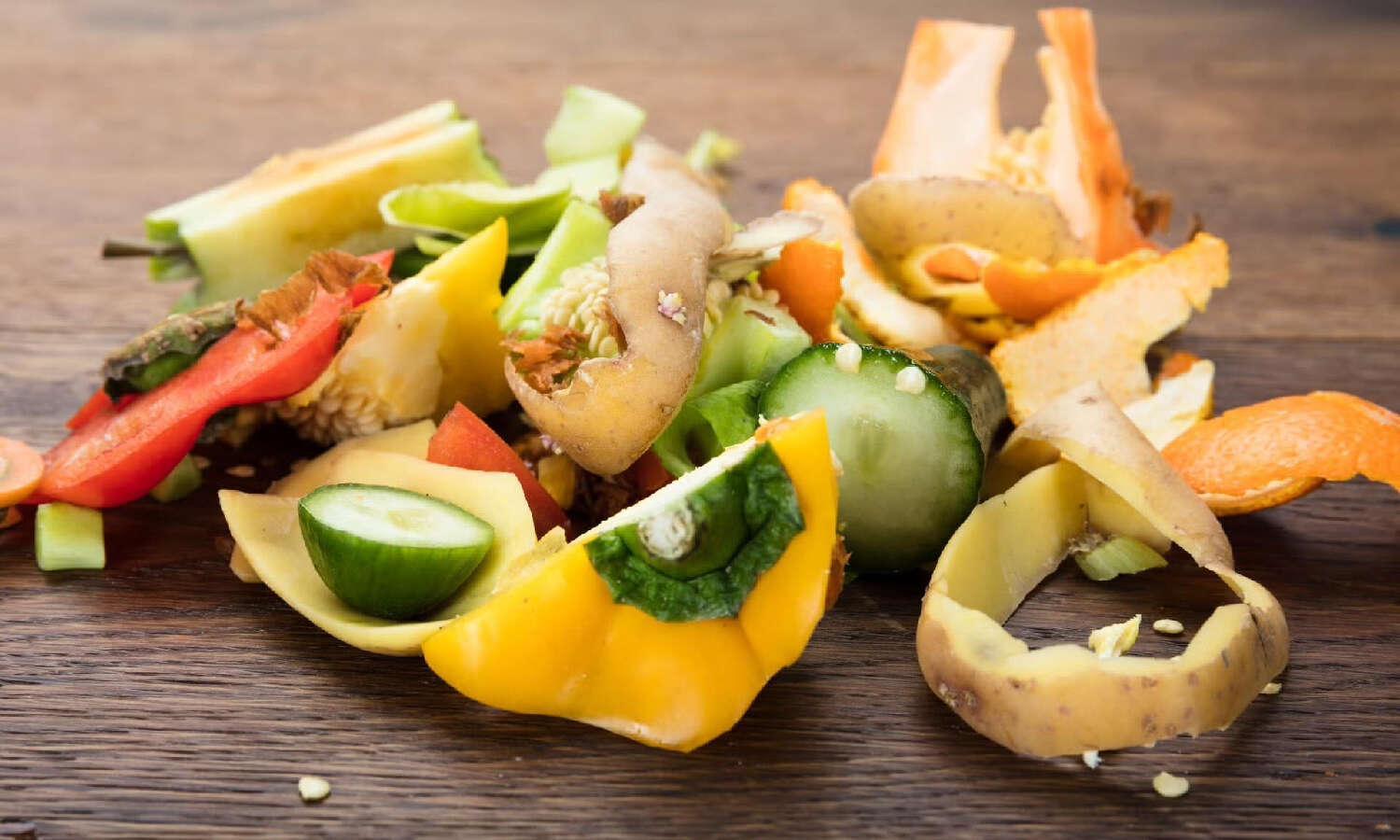
Hyderabad: In a world where sustainability often seems complicated due to graphs, carbon counts and ever-changing rules, the simplest solutions sometimes remain hidden.
One of them lies quietly in every kitchen: fruit bowls.
The bright lemon peels we throw away after making lemonade, the banana peels we toss aside after breakfast, the orange peels we sweep off cutting boards; They all have untapped value.
The power of everyday fruit scraps
As households look for practical ways to reduce waste and live more consciously, these everyday wastes are proving to be small but powerful tools for the shift towards greener living.
What makes fruit peels so enticing isn't their novelty, but rather their accessibility. They require no apps, no equipment, no investment, just a small change in mindset.
The different roles that peels play
When carefully reused, they can nourish gardens, replace chemical cleaning products, perfume homes, dye fabrics, nourish soils and even support small-scale entrepreneurs.
They show that sustainability isn't always about buying environmentally friendly products; Sometimes it's about reimagining what we already have.
This article explores how fruit peels are becoming part of a new, practical sustainability movement rooted in home kitchens, community swaps, terrace gardens, and local creativity. And it shows how something as ordinary as a bowl can quietly transform the way we consume, process and care for the planet.
Why fruit peels are important for a sustainable life
Fruit peels contain fiber, minerals, essential oils, natural pigments and cellulose.
When disposed of with mixed waste, these materials produce methane in landfills. When reused, they support soil health, reduce reliance on chemicals and reduce household waste.
The environmental educator Dr. Nalini Raghavan tells NewsMeter, “Fruit bowls are one of the easiest entry points for people who want to live sustainably. You start with what's already in your kitchen.”
Composting: The most efficient way
1. Home composting
Chopped fruit peels break down easily in home compost. They provide nitrogen and micronutrients and help balance dry materials like leaves and cardboard.
Benefits include:
• Healthier soil structure
• Better moisture retention
• Reduced waste disposal
• Reduced reliance on store-bought fertilizers
2. Vermicomposting
Worms easily convert banana, papaya, apple and melon peels into nutrient-rich waste. Citrus fruits can be added gradually in small quantities.
Soil scientist Arvind Menon notes: “When worms process fruit peels, the nutrients are immediately available to the plants. It is a rapid, natural recycling mechanism.”
3. Bokashi: A compact urban alternative
Bokashi fermentation uses beneficial microbes to break down fruit peels in sealed containers.
It is ideal for apartments as it is odor-free and space-saving. Once the peels have fermented, they can be buried in the soil or placed in a compost bin to speed up decomposition.
Everyday household products made from bowls
Fruit peels contain natural compounds that can replace chemical-rich products.
1. Citrus peel cleaner
Lemon and orange peels contain limonene, a natural degreaser. When soaked in vinegar, the mixture becomes a powerful surface cleaner suitable for kitchens, tiles and glass.
2. DIY air fresheners and aromatics
Cooking citrus peels releases fragrant oils that freshen the air in the room.
A blend of dried citrus fruits, cloves and cinnamon sticks creates a long-lasting potpourri.
3. Skin care and body care
Fruit peel-based skin care is becoming increasingly popular in zero-waste circles:
• Orange peel powder provides gentle exfoliation.
• Rubbing banana peels is used in simple home remedies.
The dermatology researcher Dr. Susan George says, “Natural skin care made from fruit peels can be effective in moderation. Patch testing is essential as even natural compounds can irritate sensitive skin.”
4. Edible use and kitchen use
Pectin Extraction: Citrus peels are a natural source of pectin, an important ingredient for setting jams and jellies. This reduces the need for packaged stabilizers.
Flavor enhancer
• Lemon peel spices up savory dishes.
• Dried orange peel powder is often used in desserts.
• Apple and pear peel infusions add a subtle sweetness to water and teas.
5. Shell-based teas
Dried citrus peels soaked in hot water make refreshing, caffeine-free drinks that reduce beverage waste.
6. Gardening Benefits
Fruit bowls support gardening at home in many ways.
Banana Peel Fertilizer: Banana peels are rich in potassium and help flowering plants, succulents and fruit plants. These can be:
• Buried in the ground
• Soaked in water to make fertilizer tea
• Dried and powdered
Natural Pest Repellents: Citrus peels can deter ants and aphids when placed around plant bases.
Mulching: Finely chopped peels can serve as short-term mulch and help retain moisture in the soil.
Kiran Deshpande, agricultural extension specialist, explains: “Even a small amount of fruit peel compost can increase productivity in the home garden. It is an easy way to add nutrients back to the soil.”
Creative and lifestyle applications
Natural dyes
• Pomegranate peels produce earthy yellow tones.
• Onion peels offer brown and gold tones.
• Avocado peels and seeds produce pale pink pigments.
Soap and candle making
Dried citrus peels add scent and texture to homemade soaps and soy candles.
Zero-waste decoration: Dried orange slices and citrus garlands make sustainable holiday decorations.
Community and Entrepreneurial Opportunities: Fruit Bowls also support small business and community models.
Essential oils in small quantities
Local producers can extract citrus oils for natural cleaning products and aromatherapy.
Biochar and Natural Filters: Carbonized fruit peels serve as inexpensive water filters, useful in rural areas.
fodder
Dried banana and melon peels can be processed into certain animal feed mixtures.
Biogas production: Fruit waste is good for producing cooking gas and manure in small anaerobic digesters.
Environmental engineer Samar Ahmed notes, “When fruit waste is converted into energy or biochar, it goes from household waste to a community resource.”
Safety instructions
• Always wash bowls thoroughly.
• Avoid using peels of spoiled fruits.
• Keep citrus cleaners away from marble.
• When composting, balance the peels with the dry waste.
How do I start?
1. Place a small bowl container on your countertop.
2. Decide your path: compost, ferment, reuse or craft.
3. Start with a simple exercise, e.g. B. making a citrus-infused cleaner.
4. Add the rest little by little.
5. Share compost, peel powder or natural cleaning products with your neighbors.
Diploma
Fruit peels prove that sustainability doesn't always require big changes; Sometimes you just have to think about the little things.
Combining comfort and awareness, they offer practical ways to reduce waste, save money and reconnect with natural cycles. With the right habits, every home can transform these simple wastes into resources that nourish the planet and improve daily life.
Dr. Nalini Raghavan puts it succinctly: “If even half of our fruit peels were reused, we would significantly reduce waste. Sustainable living often starts with the smallest decisions.”